More than just appetite suppression.
GLP-1 medications mimic a naturally occurring hormone your body produces after eating. They reduce hunger, slow digestion, regulate blood sugar, and quiet the constant "food noise" that makes dieting so difficult. Luma Health offers two leading GLP-1 treatments: Semaglutide from $90/month and Tirzepatide from $165/month.
What Does GLP-1 Stand For?
GLP-1 stands for Glucagon-Like Peptide-1 — a naturally occurring hormone produced in the intestines after you eat. Under normal circumstances, GLP-1 is released after meals to help your body process food and signal that you've had enough to eat.
This hormone helps regulate several important functions simultaneously:
- Appetite and hunger signals sent to the brain
- Digestion speed and gastric emptying
- Blood sugar levels and insulin production
- Feelings of fullness and satiety
- Energy balance and metabolic regulation
GLP-1 medications work by mimicking these natural effects — amplifying signals your body already uses, rather than introducing entirely foreign mechanisms.
What Are GLP-1 Medications?
GLP-1 medications are prescription drugs designed to activate GLP-1 receptors throughout the body. Luma Health offers two of the most clinically proven options available today:
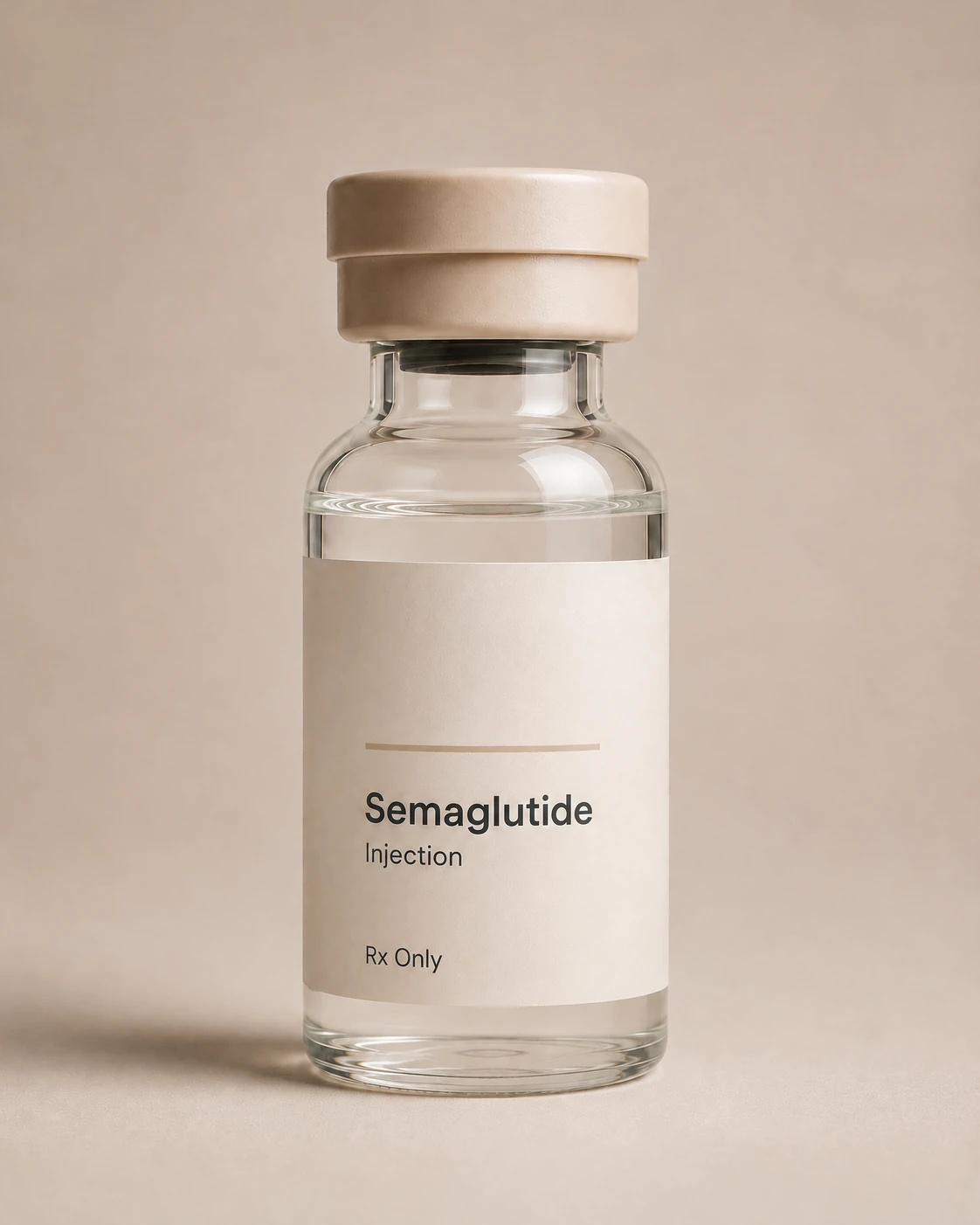
Same active ingredient as Ozempic® and Wegovy®. Activates GLP-1 receptors for appetite control and blood sugar regulation. Average ~15% body weight reduction.*
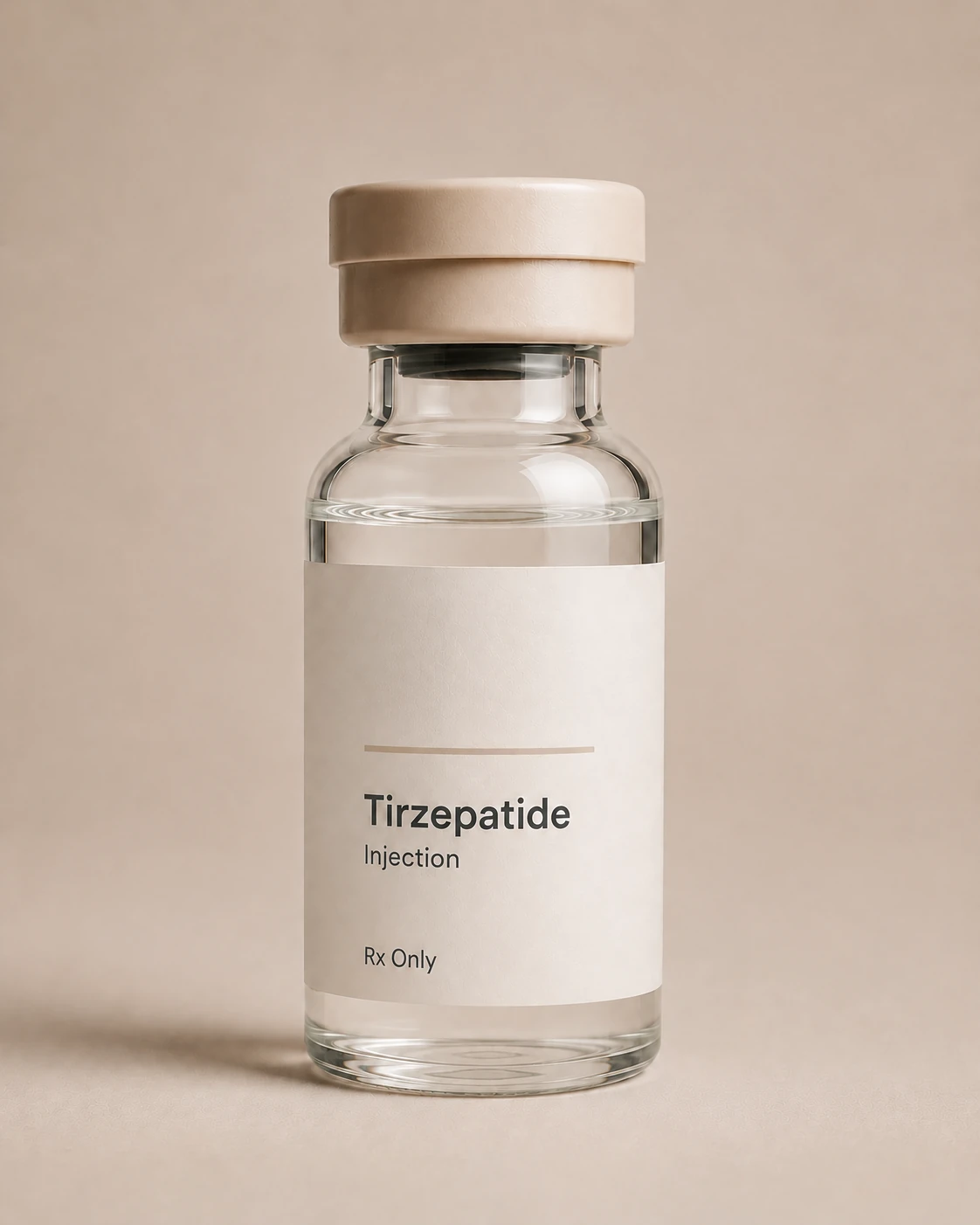
Same active ingredient as Mounjaro® and Zepbound®. Activates both GIP and GLP-1 receptors for enhanced appetite suppression. Up to 22% body weight reduction.*
Prefer no injections? Both are also available as daily tablets — Oral Semaglutide and Oral Tirzepatide at $100/month each.
How Do GLP-1 Medications Help You Lose Weight?
GLP-1 medications affect several interconnected systems simultaneously — which is one of the key reasons they outperform traditional weight loss methods for many patients. Here's exactly what happens when you take them.
GLP-1 medications interact directly with appetite-regulating centers in the brain. Patients feel hungry less often, experience fewer cravings, and find portion control significantly easier — without willpower alone.
By slowing gastric emptying — the rate food leaves the stomach — meals feel more satisfying and fullness lasts longer. Most patients naturally eat less without consciously restricting calories.
GLP-1 medications help the body release insulin when blood sugar rises — reducing energy crashes, hunger fluctuations, and the metabolic chaos that drives overeating throughout the day.
One of the most reported benefits is a dramatic reduction in "food noise" — the constant, intrusive thoughts about food that make dieting so mentally exhausting. Many patients describe finally feeling free from obsessive eating thoughts.
What Is "Food Noise" — and Why Does It Matter?
Food noise is one of the most significant — and least discussed — barriers to sustainable weight loss. It refers to the constant, intrusive thoughts about food that many people experience throughout the day:
- Thinking about your next meal while still eating the current one
- Frequent, hard-to-ignore cravings throughout the day
- Obsessive calorie counting and meal planning
- Difficulty concentrating on anything other than food
- Feeling out of control around certain foods
Many patients on GLP-1 medications describe the quieting of food noise as one of the most life-changing effects — often more impactful than the weight loss itself. When food is no longer dominating your mental bandwidth, sustainable healthy habits become dramatically easier to build and maintain.
"For the first time in my adult life, I walked past the kitchen without thinking about food. It's hard to explain how much mental space that freed up." — Luma Health patient
How Is Tirzepatide Different From Semaglutide?
While semaglutide works by activating GLP-1 receptors, tirzepatide takes it a step further by also activating GIP receptors — a dual-action approach that many providers believe contributes to its stronger clinical results.
GIP stands for Glucose-Dependent Insulinotropic Polypeptide — another hormone involved in appetite regulation and metabolic health. By targeting both pathways simultaneously, tirzepatide has demonstrated up to 22% body weight reduction in clinical trials, compared to ~15% for semaglutide.
Semaglutide vs. Tirzepatide:
Which is right for you?
We break down mechanism, average weight loss, side effects, cost, and how to choose — all in one guide. Read it before making your decision.
Read the Comparison →How Much Weight Can You Lose?
Results vary based on several factors — but clinical studies have consistently shown meaningful, sustained weight loss that far exceeds what most patients achieve through diet and exercise alone.
- Starting weight and BMI
- Diet quality and protein intake
- Physical activity and movement habits
- Sleep quality and stress management
- Consistency with weekly doses
- Underlying health conditions
GLP-1 medications are most effective as part of a comprehensive weight management plan — not as a standalone solution. Patients who combine medication with healthy lifestyle changes consistently achieve the best long-term outcomes.
Are GLP-1 Medications Safe?
For eligible patients under medical supervision, GLP-1 medications have undergone extensive clinical testing and carry a well-established safety profile. Like all medications, they can cause side effects — most commonly gastrointestinal symptoms like nausea, constipation, or loose stools during early treatment or dose increases.
Most patients find these symptoms improve significantly within the first few weeks as their body adjusts. At Luma Health, every patient is evaluated by a board-certified physician before being prescribed, and your provider monitors your progress throughout. Visit our FAQ page for a full breakdown of side effects and how to manage them.
Who May Benefit From GLP-1 Medications?
GLP-1 treatment may be appropriate for individuals who:
- Have a BMI of 27 or above
- Are overweight with related health conditions such as high blood pressure or pre-diabetes
- Have struggled with traditional weight loss methods
- Experience significant food noise or compulsive eating behaviors
- Need additional support managing appetite and portion control
A licensed healthcare provider can determine whether treatment is appropriate based on your complete health history and goals. Complete a free assessment →
Ready to explore
GLP-1 treatment?
Compare Semaglutide and Tirzepatide — or let a Luma provider recommend the right treatment for your body and goals.
Compare All Treatments → Or start your free assessmentFrequently Asked Questions
GLP-1 medications reduce hunger, increase feelings of fullness, slow digestion, regulate blood sugar, and quiet food noise. They work by mimicking a naturally occurring hormone your body produces after eating — amplifying signals your body already uses to manage appetite and metabolism.
Not directly. GLP-1 medications help patients naturally consume fewer calories by reducing hunger and increasing fullness — which creates the calorie deficit that leads to fat loss over time. The weight loss is driven by improved metabolic regulation and reduced calorie intake, not a direct fat-burning mechanism.
Many patients notice appetite changes and reduced food noise within the first one to two weeks. Significant, measurable weight loss typically develops over several months as doses are titrated and the body fully responds to the medication.
Yes — both are GLP-1 receptor agonists. Semaglutide activates GLP-1 receptors only. Tirzepatide activates both GLP-1 and GIP receptors — a dual-action approach that clinical studies suggest may produce greater average weight loss for many patients. Read our full comparison guide →
Healthy eating habits remain important for long-term success. GLP-1 medications reduce hunger and make healthy choices easier — but they work best when paired with nutrient-dense meals, regular movement, and ongoing medical guidance. The medication is a powerful tool, not a complete replacement for lifestyle habits.