Neither option is universally “better.” The right treatment depends on disease severity, health risks, preferences, and the level of follow-up a person can sustain.
Modern GLP-1–based medicines can produce clinically meaningful weight loss without an operation, while metabolic and bariatric surgery generally produces the largest and most durable average weight reduction for people with more severe obesity. They are not mutually exclusive: some patients use medication before surgery or after surgery for weight recurrence. A clinician-led comparison should address expected benefit, contraindications, adverse effects, recovery, long-term monitoring, and what happens if treatment stops.[1] [2]
Comparisons between weekly injections and surgery can become misleading when they reduce the choice to a single weight-loss percentage. Obesity is a chronic, heterogeneous disease. Someone with class III obesity, uncontrolled diabetes, reflux, or sleep apnea may face different tradeoffs from someone seeking a nonoperative option at a lower BMI. The evidence also comes from different study designs, populations, follow-up periods, and treatment conditions, so figures should not be treated as guarantees for an individual.
How the treatments are fundamentally different
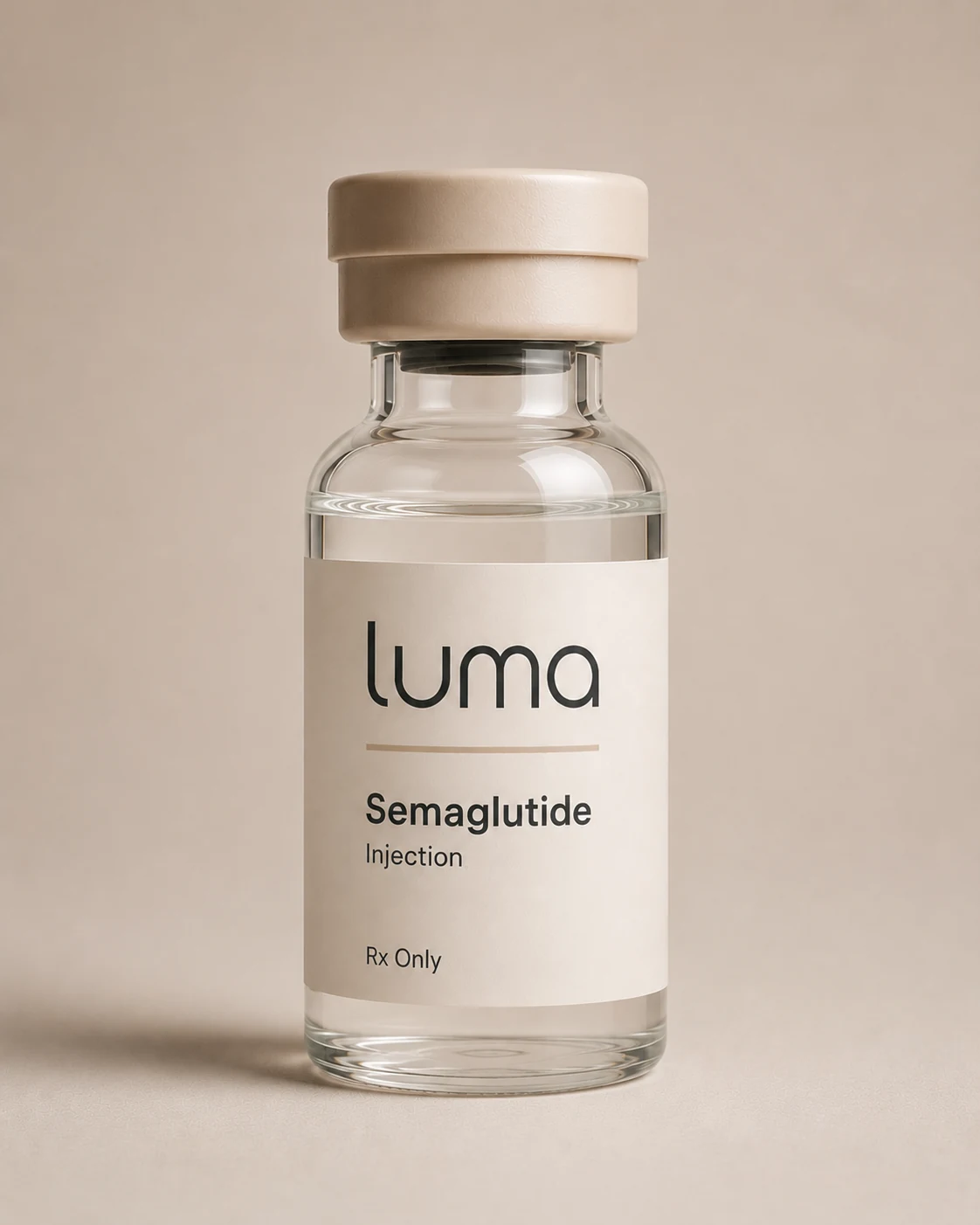
GLP-1–based pharmacotherapy changes appetite, satiety, food intake, and metabolic signaling while medication is being used. FDA-approved chronic weight-management products include semaglutide and tirzepatide for eligible adults, alongside reduced-calorie eating and increased physical activity. Tirzepatide activates both GIP and GLP-1 receptors, while semaglutide is a GLP-1 receptor agonist.[3] [4]
Metabolic and bariatric surgery changes gastrointestinal anatomy and physiology. Sleeve gastrectomy removes part of the stomach, while Roux-en-Y gastric bypass creates a small stomach pouch and reroutes part of the small intestine. These operations influence food capacity, gut hormones, appetite, and metabolism. They also involve anesthesia, postoperative recovery, nutrition requirements, and lifelong follow-up.[1] [2]
| Question | GLP-1–based medication | Metabolic/bariatric surgery |
|---|---|---|
| How it is delivered | Prescription medicine, commonly a weekly injection, with dose escalation and ongoing monitoring. | An operation—most often sleeve gastrectomy or gastric bypass—performed by a bariatric surgical team. |
| Reversibility | The medicine can be stopped, although weight regain is common and stopping may affect metabolic control. | Anatomical changes are intended to be durable; some procedures can be revised, but reversal is not a simple routine step. |
| Typical burden | Ongoing medication access, injections, adverse-effect management, and follow-up. | Preoperative evaluation, procedural risk, recovery, nutrition supplementation, and lifelong surveillance. |
| Evidence context | Randomized trials establish efficacy for specific products, doses, and populations. | Randomized and long-term observational evidence supports substantial, durable loss and improvement in obesity-related disease. |
How much weight loss has research reported?
In the pivotal adult Wegovy trial cited in current U.S. labeling, adults without diabetes who received semaglutide 2.4 mg plus lifestyle intervention lost an average of 14.9% of starting weight at 68 weeks, compared with 2.4% with placebo plus lifestyle intervention. About 83.5% of semaglutide participants achieved at least 5% weight loss, and 47.9% achieved at least 15%. These are group averages from a controlled trial, not promises.[3]
In Zepbound Study 1, adults without diabetes lost an average of 15.0%, 19.5%, or 20.9% at 72 weeks with tirzepatide 5 mg, 10 mg, or 15 mg, respectively, compared with 3.1% with placebo. The trial included structured diet and physical-activity support, and results varied across participants.[4]
Surgical outcomes are often reported as total weight loss or excess weight loss, which are not interchangeable. A 2025 insurance-claims and electronic-record cohort found mean total weight loss of 28.3% after surgery versus 10.3% among GLP-1 receptor agonist users in the subset with available weight data. That study was observational—not a randomized head-to-head trial—and the medication group included older and newer GLP-1 drugs used in real-world care. Selection differences, adherence, access, discontinuation, and missing weight records can influence the comparison.[5]
Use percentages carefully: a medication trial, a surgical cohort, and a clinic’s patient averages answer different questions. The most useful estimate comes from a clinician who can match published evidence to the person’s diagnosis, BMI, medications, prior attempts, and treatment goals.
Durability: what happens over time?
Both approaches require long-term care. GLP-1–based obesity medicines are intended for chronic weight management rather than a short course. In the STEP 1 extension, participants regained about two-thirds of their prior semaglutide-associated weight loss during the year after treatment and lifestyle intervention were withdrawn. The finding does not mean everyone regains the same amount, but it supports planning for maintenance before starting.[6]
Surgery can produce durable average weight loss, but it is not “one and done.” Weight recurrence can occur, obesity-related conditions can return, and nutritional deficiencies can develop. The ASMBS/IFSO guideline emphasizes multidisciplinary selection and lifelong medical surveillance. Some patients later use anti-obesity medication as an adjunct after surgery.[2] [7]
How eligibility differs
FDA-approved weight-management labeling generally covers adults with obesity or adults with overweight plus at least one weight-related condition, subject to product-specific contraindications and clinical evaluation.[3] [4] Insurance coverage and clinical programs may apply additional requirements.
Surgical criteria vary among professional guidelines, insurers, health systems, and individual risk assessments. The 2022 ASMBS/IFSO guideline recommends surgery for BMI above 35 regardless of comorbidity and says it should be considered for BMI 30–34.9 with metabolic disease. Older criteria still used in some settings emphasize BMI of at least 40, or at least 35 with a serious obesity-related condition. A bariatric program also evaluates operative risk, nutrition, mental health, readiness, and capacity for follow-up.[1] [2]
Risks and tradeoffs are different—not absent
Semaglutide and tirzepatide labeling includes boxed warnings about thyroid C-cell tumors observed in rodents and contraindications for a personal or family history of medullary thyroid carcinoma or MEN2. Important warnings include pancreatitis, gallbladder disease, kidney injury related to volume depletion, severe gastrointestinal reactions, and hypersensitivity; product-specific labeling should guide care. Common adverse effects are gastrointestinal.[3] [4]
Surgery has perioperative risks such as bleeding, infection, leaks, blood clots, and anesthesia complications, plus longer-term concerns that can include reflux, ulcers, bowel problems, gallstones, nutrient deficiencies, and the need for additional procedures. Published guideline evidence reports low perioperative mortality in appropriately selected patients, but a low average risk is not the same as no personal risk.[2]
A practical shared-decision framework
- Define the health goal. Weight change matters, but so do diabetes control, sleep apnea, mobility, liver disease, cardiovascular risk, fertility goals, reflux, and quality of life.
- Review contraindications and operative risk. Medication labels and surgical assessment answer different safety questions.
- Discuss the expected treatment horizon. Ask what maintenance looks like at one, five, and ten years.
- Plan follow-up. Medication requires response and adverse-effect monitoring; surgery requires nutrition, laboratory, and surgical follow-up.
- Consider sequencing rather than an artificial either/or. Medication may be used before an operation, after weight recurrence, or when surgery is not desired or appropriate.[7]
Compare evidence with
your full health history.
A licensed clinician can explain medication eligibility. A qualified bariatric surgical program can assess surgical options, risks, and long-term follow-up.
Explore Treatment Information →Frequently asked questions
On average, surgery often produces greater and more durable total weight loss in people with class II or III obesity. But comparisons depend on the operation, medicine, dose, adherence, follow-up, and population. Effectiveness for one person also includes safety, metabolic outcomes, access, and whether treatment can be maintained.
Sometimes. Specialists may consider anti-obesity medication for inadequate response or weight recurrence after surgery. The decision requires review of the operation, nutrition status, symptoms, other medicines, and contraindications.
No. Obesity care can change over time. A person may start with medication and later pursue surgery, or use medication around surgical care. Coordination between the prescribing clinician and bariatric team is important.
They have different risk profiles. Medication avoids an operation but has contraindications, adverse effects, and often requires ongoing treatment. Surgery has procedural and long-term nutrition risks but may offer greater durable benefit for selected people. Individual risk cannot be determined from a general comparison.
References
- National Institute of Diabetes and Digestive and Kidney Diseases. Weight-loss (Metabolic & Bariatric) Surgery.
- Eisenberg D, et al. 2022 ASMBS and IFSO Indications for Metabolic and Bariatric Surgery. Obesity Surgery. 2023;33:3–14.
- U.S. Food and Drug Administration. Wegovy (semaglutide) U.S. prescribing information. Revised February 2026.
- Eli Lilly and Company. Zepbound (tirzepatide) U.S. prescribing information. Revised August 2026.
- Barrett TS, et al. Obesity Treatment With Bariatric Surgery vs GLP-1 Receptor Agonists. JAMA Surgery. 2025.
- Wilding JPH, et al. Weight regain and cardiometabolic effects after withdrawal of semaglutide: the STEP 1 trial extension. Diabetes, Obesity and Metabolism. 2022.
- Horváth L, et al. Pharmacotherapy as an Augmentation to Bariatric Surgery for Obesity. 2024.
- Johns Hopkins Medicine. Bariatric Surgery vs. GLP-1s: Comparing Weight Loss Treatments.