GLP-1–based medicines and SGLT2 inhibitors can both be part of type 2 diabetes care, but they work differently and have different product labels, routes, and safety questions.
Glucagon-like peptide-1 (GLP-1) receptor agonists act through incretin pathways. Tirzepatide is different again: it activates both GIP and GLP-1 receptors. Sodium-glucose cotransporter-2 (SGLT2) inhibitors act in the kidneys to reduce glucose reabsorption and increase glucose excretion in urine. The best fit depends on the exact FDA-approved product, type 2 diabetes goals, heart or kidney conditions, other medicines, kidney function, tolerability, cost and access, and a clinician’s review—not on a class name alone.[3] [5] [6] [10]
Different mechanisms, different practical questions
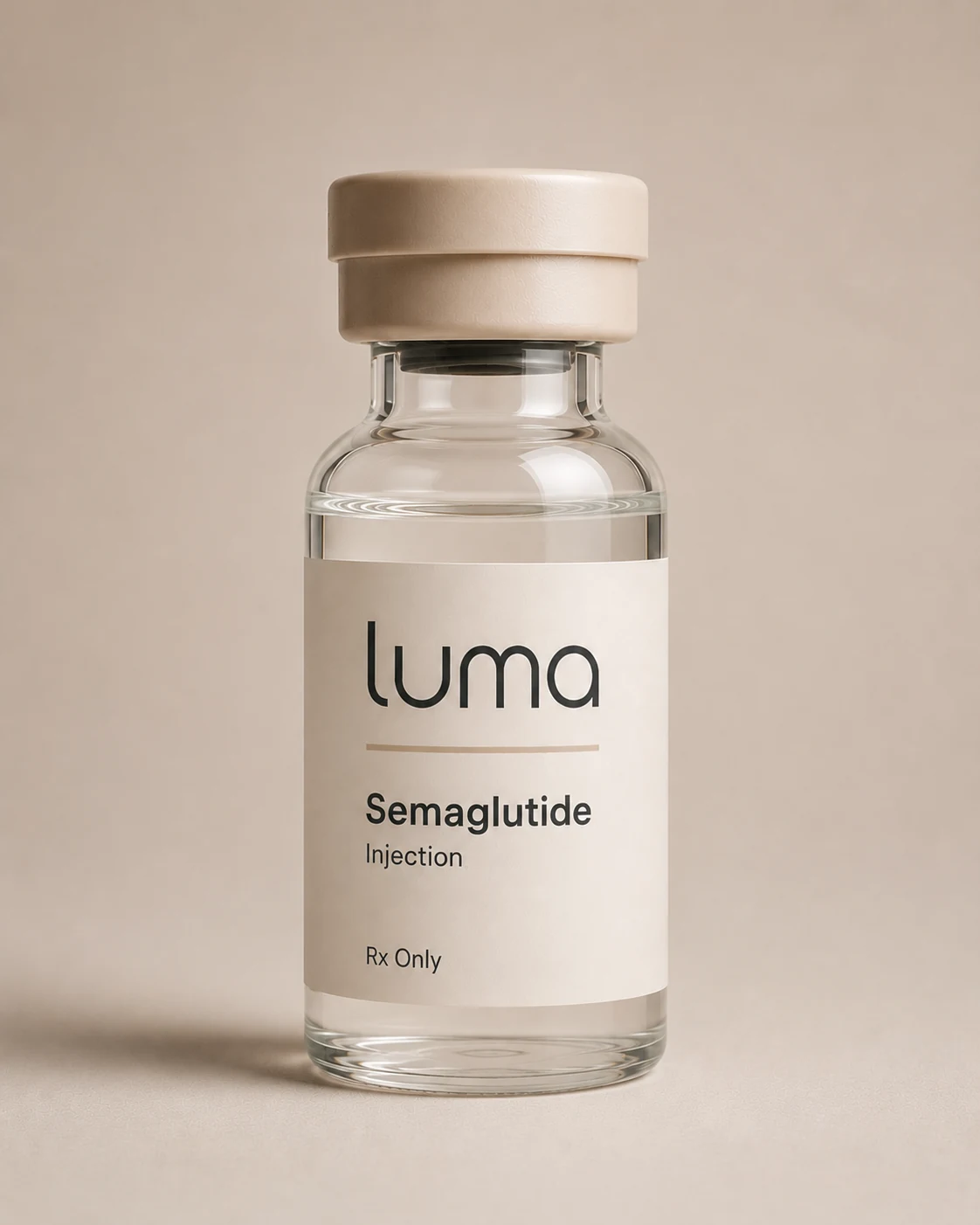
Semaglutide is a GLP-1 receptor agonist. Its FDA label says it increases insulin and lowers glucagon when glucose is high, and modestly delays early post-meal stomach emptying. Gastrointestinal effects and some oral-medicine questions therefore matter in this group.[3]
Tirzepatide should not be described as GLP-1-only. The Mounjaro and Zepbound labels identify it as a glucose-dependent insulinotropic polypeptide (GIP) receptor and GLP-1 receptor agonist. It is useful shorthand to call it “GLP-1–based,” but decisions still require the exact product and label.[2] [5]
SGLT2 in the kidney’s proximal tubules normally reabsorbs much filtered glucose. Dapagliflozin blocks it, so more glucose is excreted in urine; its label also describes reduced sodium reabsorption. This differs from incretin-receptor activation and brings different monitoring questions.[6]
| Question | GLP-1–based medicines | SGLT2 inhibitors |
|---|---|---|
| Core action | GLP-1 receptor activation; tirzepatide activates GIP and GLP-1 receptors. | Reduce kidney reabsorption of glucose, increasing urinary glucose excretion. |
| Routes in the labels reviewed | Both injections and oral semaglutide tablets exist; route depends on the named product. | Oral tablets for the reviewed dapagliflozin, empagliflozin, and canagliflozin products. |
| Common decision themes | GI tolerance, relevant thyroid-cancer/MEN 2 history, delayed gastric emptying, eye history in diabetes, and concomitant medicines. | Kidney function, volume status, ketoacidosis risk, genitourinary infection history, and concomitant medicines. |
| What not to infer | That all GLP-1–based products have the same diabetes, cardiovascular, kidney, or weight indication. | That every SGLT2 product has the same heart/kidney indication—or that SGLT2 products are obesity drugs. |
Type 2 diabetes is shared territory, but labels are product-specific
Several products in both groups are approved for type 2 diabetes in defined populations. Ozempic is approved for adult glycemic control and has product-specific cardiovascular and kidney risk-reduction indications. Oral Rybelsus and Ozempic tablets are approved for adult glycemic control and major-cardiovascular-event reduction in adults at high cardiovascular risk. Mounjaro is approved for glycemic control in adults and children age 10 and older.[3] [4] [5]
Farxiga, Jardiance, and Invokana each have a type 2 diabetes glycemic-control indication. Their labels say not to use them for that purpose in type 1 diabetes, and kidney-function limits differ: Farxiga’s label uses eGFR below 45 mL/min/1.73 m², while the reviewed Jardiance and Invokana labels use below 30. A prescriber must interpret those facts in context.[6] [7] [8]
Heart, kidney, and heart-failure decisions require the exact indication
For type 2 diabetes plus cardiovascular or kidney disease, the label and condition can matter as much as glucose lowering. Ozempic includes reduced major-cardiovascular-event risk in adults with established cardiovascular disease and specified kidney/CV risk reduction in adults with chronic kidney disease. Oral semaglutide tablets include a major-cardiovascular-event indication for adults at high cardiovascular risk.[3] [4]
Some SGLT2 indications reach beyond type 2 diabetes. Farxiga has specified CKD and heart-failure risk-reduction uses; Jardiance has specified heart-failure and CKD uses. Invokana instead specifies adults with type 2 diabetes plus established cardiovascular disease for one outcome indication and diabetic nephropathy with albuminuria for another. “An SGLT2” is not a sufficient prescription description.[6] [7] [8]
ADA recommends an SGLT2 inhibitor for type 2 diabetes with heart failure, and an SGLT2 inhibitor or GLP-1 receptor agonist with demonstrated benefit for many adults with chronic kidney disease. For established or high-risk atherosclerotic cardiovascular disease, it calls for a GLP-1 receptor agonist and/or SGLT2 inhibitor with demonstrated benefit.[10]
Weight effects are not the same as an obesity indication
Wegovy and Zepbound are FDA-approved finished products for chronic weight management under their own labels; Zepbound also treats moderate-to-severe OSA in adults with obesity, while Wegovy has its own cardiovascular-risk-reduction indication in adults with known heart disease and obesity or overweight. Do not transfer these labels to diabetes-only products.[1] [2]
NIDDK says GLP-1 receptor agonists may make people feel less hungry and help some people lose weight. SGLT2 trials may report body-weight changes, but reviewed Farxiga, Jardiance, and Invokana labels are not obesity-drug labels. SGLT2 products should not be presented as obesity medicines.[6] [7] [8] [9]
Separate trials are not a ranking. Different populations, doses, duration, and analyses mean a result cannot predict an individual’s change or establish a winner.
Safety questions differ—and are not complete checklists
For semaglutide and tirzepatide products discussed here, a personal or family history of medullary thyroid carcinoma (MTC), multiple endocrine neoplasia syndrome type 2 (MEN 2), or serious hypersensitivity can be contraindications. Labels also address pancreatitis, gallbladder disease, severe GI reactions, volume-depletion-related acute kidney injury, and hypersensitivity. Semaglutide labels address diabetic-retinopathy complications, and delayed stomach emptying can matter for other oral medicines.[1] [2] [3] [4] [5]
SGLT2 labels warn about ketoacidosis, which can occur below the glucose level people may expect. Farxiga and Jardiance list reduced insulin, illness, reduced food intake, a ketogenic diet, surgery, volume depletion, and alcohol abuse as triggers. They also warn about volume depletion and urinary or genital infections, including rare serious infections. Review illness, procedure, hydration, and medication questions with a clinician or pharmacist rather than changing a prescription alone.[6] [7]
Invokana additionally includes lower-limb amputation and fracture warnings. It would be inaccurate to assign that warning set to every SGLT2 product. Both classes can raise hypoglycemia questions with insulin or an insulin secretagogue.[6] [7] [8]
Can a clinician use both?
Sometimes. ADA discusses GLP-1 receptor agonist/SGLT2 inhibitor combination therapy in selected type 2 diabetes settings. The choice considers heart, kidney, and weight goals; other conditions; safety; tolerability; and access. It is not a reason for everyone to add another medicine.[10]
A 2025 systematic review and meta-analysis of cohort studies characterized combination effects as uncertain. Observational comparisons cannot prove additive benefit for each person. Discuss the exact labeled product, monitoring, adverse effects, interactions, and reassessment plan with the clinician.[12]
Approved branded finished products are not compounded preparations
The product labels and trials cited here concern FDA-approved branded finished products. FDA says compounded GLP-1 drugs are not FDA approved and do not undergo FDA review for safety, effectiveness, or quality before marketing. FDA says compounded drugs should be used only when a patient’s medical needs cannot be met by an FDA-approved drug. Branded-product evidence does not establish a compounded preparation’s quality, bioequivalence, safety, effectiveness, or outcomes.[11]
For related education, read what semaglutide is, GLP-1 real-world effectiveness, or Luma’s treatment information.
Compare the whole clinical picture,
not one medication label alone.
Goals, heart and kidney history, kidney function, other medicines, safety factors, and access can all matter in a clinician-guided discussion.
Explore Treatment Information →Frequently asked questions
No. GLP-1 receptor agonists act through incretin signaling; tirzepatide activates GIP and GLP-1 receptors. SGLT2 inhibitors reduce glucose reabsorption in the kidneys and increase urinary glucose excretion. Their labels and safety questions differ.
No. The FDA labels reviewed include injectable semaglutide and tirzepatide products as well as oral semaglutide tablets. The product and its label—not the class nickname—determine route and use.
No. The reviewed SGLT2 product labels are for type 2 diabetes and defined cardiovascular, heart-failure, or kidney uses. They are not FDA obesity-drug labels. Weight changes in a study do not create an obesity indication.
A clinician may consider both for individualized type 2 diabetes goals, but the decision requires review of the exact products, relevant heart and kidney conditions, kidney function, other medicines, tolerability, hypoglycemia risk, safety concerns, cost, and access. Combination evidence does not guarantee a particular outcome.
References
- Novo Nordisk. Wegovy (semaglutide) FDA-approved prescribing information. Revised June 2026; accessed September 19, 2026.
- FDA. Zepbound (tirzepatide) injection prescribing information. Reference ID 5751110.
- FDA. Ozempic (semaglutide) injection prescribing information. Reference ID 5808230.
- FDA. Rybelsus and Ozempic tablets (semaglutide) prescribing information. Reference ID 5737308.
- FDA. Mounjaro (tirzepatide) injection prescribing information. Reference ID 5723960.
- FDA. Farxiga (dapagliflozin) tablets prescribing information. Reference ID 5809243.
- FDA. Jardiance (empagliflozin) tablets prescribing information. Reference ID 5683490.
- Janssen. Invokana (canagliflozin) tablets prescribing information. Revised June 2026.
- National Institute of Diabetes and Digestive and Kidney Diseases. Insulin, Medicines, & Other Diabetes Treatments.
- American Diabetes Association Professional Practice Committee. Pharmacologic Approaches to Glycemic Treatment: Standards of Care in Diabetes—2026.
- FDA. FDA’s Concerns with Unapproved GLP-1 Drugs Used for Weight Loss. Content current September 1, 2026.
- Colombijn JMT, et al. Effectiveness and safety of combining SGLT2 inhibitors and GLP-1 receptor agonists in individuals with type 2 diabetes: a systematic review and meta-analysis of cohort studies. Diabetologia. 2025.