GLP-1–based medication and endoscopic sleeve gastroplasty can both support meaningful weight loss, but they differ in delivery, evidence, risks, recovery, and maintenance.
Medication is prescribed and monitored over time; endoscopic sleeve gastroplasty, or ESG, is a one-time incisionless procedure performed through the mouth under anesthesia, followed by staged dietary recovery and long-term care. Neither is universally better. A useful decision compares a person’s health conditions, treatment goals, contraindications, willingness to continue medication, comfort with a procedure, and access to coordinated follow-up.[1] [2] [3]
Placing ESG and medication percentages side by side can overstate what the evidence proves. The major trials used different control groups and populations, and no randomized clinical trial has directly assigned people to current GLP-1–based obesity medication versus ESG. The figures below provide context, not an individual prediction.
What is endoscopic sleeve gastroplasty?
ESG is an endoscopic obesity procedure. A trained physician passes a flexible endoscope through the mouth into the stomach and uses a suturing device to fold the stomach into a smaller, tube-like shape. There are no abdominal incisions, no stomach tissue is removed, and the intestines are not rerouted. This distinguishes ESG from sleeve gastrectomy and gastric bypass, which are metabolic and bariatric operations.[1] [2] [3]
The procedure is usually performed under general anesthesia, and most people go home the same day. Recovery advances from liquids to soft and then solid foods. ESG is potentially reversible, but it is not a temporary test: sutures are intended to remain, and ASMBS notes that later bariatric surgery may be more complex.[1] [2] [3]
What are GLP-1–based weight-management medications?
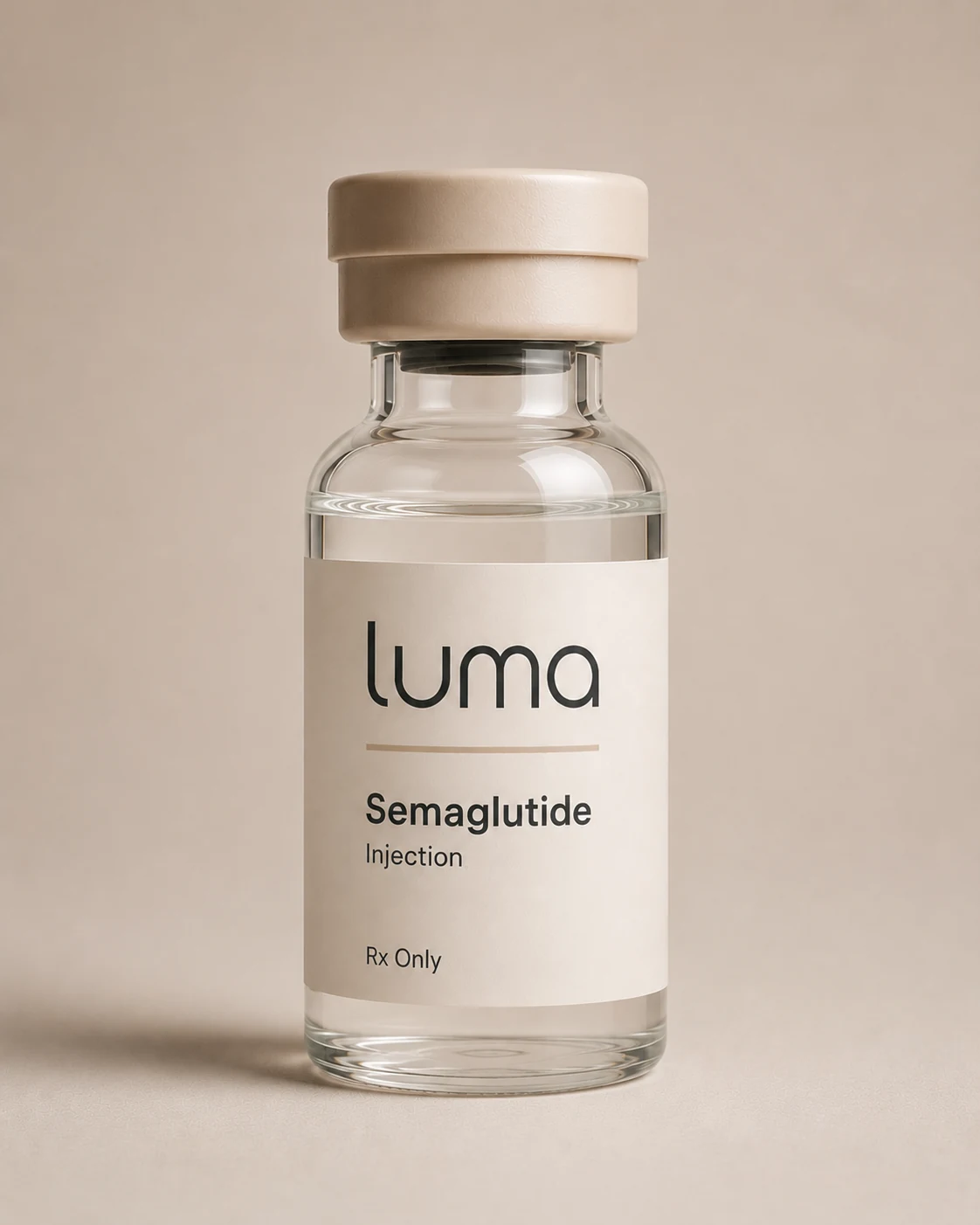
GLP-1 receptor agonists act on pathways involved in appetite, fullness, food intake, and glucose regulation. Semaglutide is a GLP-1 receptor agonist. Tirzepatide activates both GIP and GLP-1 receptors, so “GLP-1 medication” is a useful shorthand but does not mean every product works identically. For clarity, the outcome data in this comparison come from the FDA-approved branded Wegovy and Zepbound products and their labeled study programs—not from compounded semaglutide or tirzepatide.[4] [5]
These medicines are used with nutrition and physical-activity support. Treatment involves dose escalation, monitoring, and a maintenance plan. NIDDK notes that weight regain may follow discontinuation and that effective, tolerable treatment may continue long term.[6]
| Question | GLP-1–based medication | Endoscopic sleeve gastroplasty |
|---|---|---|
| How it is delivered | A prescription product taken on an ongoing schedule, with product-specific dosing and monitoring. | An incisionless endoscopic procedure performed through the mouth under anesthesia. |
| What changes | Appetite, satiety, intake, and metabolic signaling while treatment is used. | Stomach shape and usable volume through internal sutures; no stomach is removed and the bowel is not rerouted. |
| Early burden | Dose escalation and management of nausea or other adverse effects. | Procedure preparation, anesthesia, several days of recovery, and a staged diet. |
| Long-term burden | Prescription access, adherence, monitoring, and a plan for continuing or stopping treatment. | Nutrition, behavior, activity, and medical follow-up; possible weight recurrence or revision. |
| Reversibility | The medicine can be discontinued with clinician guidance, although benefits may diminish and weight regain can occur. | Potentially reversible in some cases, but not guaranteed to be simple; sutures and changed anatomy may affect later procedures. |
What the weight-loss evidence shows
In the multicenter MERIT randomized trial, 209 adults aged 21 to 65 with class 1 or class 2 obesity were assigned to ESG plus lifestyle modification or lifestyle modification alone. At 52 weeks, mean total body-weight loss was 13.6% with ESG and 0.8% with lifestyle modification alone. At 104 weeks, 68% of 60 followed participants in the original ESG group maintained at least 25% excess weight loss. “Excess weight loss” and “total body-weight loss” are different measures and should not be interchanged.[7]
In the pivotal adult Wegovy injection trial reflected in FDA labeling, adults without diabetes had a mean 14.9% body-weight reduction at 68 weeks with semaglutide 2.4 mg plus lifestyle intervention, compared with 2.4% with placebo. In Zepbound Study 1, mean changes at 72 weeks were 15.0%, 19.5%, and 20.9% with tirzepatide 5 mg, 10 mg, and 15 mg, compared with 3.1% with placebo. These are averages from separate trials with different participants, protocols, durations, and missing-data assumptions.[4] [5]
Do not read this as a head-to-head ranking. MERIT did not compare ESG with semaglutide or tirzepatide. Individual outcomes vary, and selecting only the highest percentage ignores eligibility, tolerability, recovery, adherence, health goals, and whether the treatment can be maintained.
Eligibility and reasons one option may not fit
NIDDK says clinicians may consider weight-management medication for adults with BMI at least 30, or at least 27 with a weight-related condition. Product labeling, pregnancy plans, medical history, other medicines, prior response, and coverage also matter. A BMI threshold is not an automatic prescription.[4] [5] [6]
Johns Hopkins and Mayo describe ESG as a possible option beginning around BMI 30 after insufficient durable results with lifestyle changes. ASMBS recommends it primarily for BMI 30–40 and emphasizes multidisciplinary evaluation. A large hiatal hernia, active ulcer, or another gastrointestinal bleeding condition may make ESG inappropriate.[1] [2] [3]
ESG is not a smaller version of bariatric surgery. ASMBS does not consider it equivalent to sleeve gastrectomy or gastric bypass in expected weight loss or metabolic impact. A bariatric-surgery evaluation may still be relevant for some people.[3]
Safety, side effects, and when symptoms need urgent attention
Common adverse reactions with Wegovy and Zepbound include gastrointestinal symptoms such as nausea, vomiting, diarrhea, constipation, and abdominal discomfort. Both labels carry boxed warnings about thyroid C-cell tumors observed in rodents and contraindicate use in people with a personal or family history of medullary thyroid carcinoma or MEN2. Important label warnings also address pancreatitis, gallbladder disease, kidney injury related to volume depletion, severe gastrointestinal reactions, and serious hypersensitivity. The complete, product-specific prescribing information—not a class summary—should guide care.[4] [5]
Temporary abdominal pain, nausea, and vomiting can occur after ESG. Serious procedural complications are uncommon but can include bleeding, infection, a stomach tear or leak, abscess, pulmonary embolism, pneumoperitoneum, or pneumothorax. In MERIT, ESG-related serious adverse events occurred in 3 of 131 treated participants, with no death or need for intensive care or surgery in that trial.[1] [7]
Seek prompt medical guidance for severe or persistent abdominal pain, repeated vomiting with inability to keep fluids down, or allergic-reaction symptoms. After ESG, worsening chest or abdominal pain, fever, breathing difficulty, bleeding, or persistent vomiting warrants urgent care according to the discharge plan.
Recovery and follow-up are different
Medication usually has no procedural downtime, but tolerability can change during escalation. Clinicians monitor response, hydration, relevant laboratory values, other medicines, and adverse effects.
ESG concentrates more burden at the beginning: most people leave the same day, recover over several days, and gradually advance from liquids. Long-term success still depends on nutrition, activity, behavior support, and follow-up. Weight regain remains possible.[1] [2]
Can medication and ESG be combined or sequenced?
ASMBS places lifestyle therapy, medication, ESG, and bariatric surgery on a treatment continuum. Medication may be considered before ESG, after inadequate response, or for weight recurrence, but there is no universal combination schedule. Care should be coordinated between the prescriber and an experienced multidisciplinary endoscopy or bariatric team.[3]
A JAMA Network Open study modeled semaglutide and ESG over five years and favored ESG under its base-case assumptions. It was an economic model—not a clinical head-to-head trial—and cannot predict individual coverage, spending, or outcomes.[8]
Questions to take into a shared decision
- Which outcomes matter most? Discuss weight, metabolic health, mobility, reflux, fertility goals, and quality of life.
- Which evidence resembles me? Compare your BMI, conditions, and treatment history with trial participants.
- What makes either option unsafe? Review medication contraindications, anesthesia risk, gastrointestinal conditions, pregnancy plans, prescriptions, and supplements.
- What is the maintenance plan? Clarify follow-up, nutrition support, treatment duration, and responses to intolerance or weight recurrence.
- What will coverage include? Verify benefits for the specific medicine, procedure, anesthesia, facility, and follow-up rather than relying on a general estimate.
Compare the options with
your full health history.
A licensed clinician can assess medication eligibility. A qualified multidisciplinary endoscopy or bariatric program can evaluate whether ESG or another procedure fits your goals and risk profile.
Explore Treatment Information →Frequently asked questions
No. ESG places sutures from inside the stomach through an endoscope and uses no abdominal incisions. Sleeve gastrectomy is an operation that removes part of the stomach. The expected outcomes, recovery, risks, and long-term evidence differ.
No randomized trial has directly compared ESG with current semaglutide or tirzepatide obesity treatment. Separate trials report meaningful average loss with each approach, but their populations and methods differ. Treatment choice should not be based on cross-trial percentages alone.
It is described as potentially reversible because stomach tissue is not removed, but reversal is not guaranteed to be simple or appropriate. Sutures and anchors may remain, and later bariatric operations can be more complex. Ask an experienced procedural team about long-term implications.
Sometimes, under clinician supervision. ASMBS recognizes that ESG may be used with or without obesity-management medication, but the timing and safety need individualized assessment and coordinated follow-up.
References
- Johns Hopkins Medicine. Endoscopic Sleeve Gastroplasty.
- Mayo Clinic. Endoscopic Sleeve Gastroplasty. Updated April 7, 2026.
- American Society for Metabolic and Bariatric Surgery. Endoscopic Sleeve Gastroplasty FAQ & CPT Code Information.
- U.S. Food and Drug Administration. Wegovy (semaglutide) prescribing information. Revised February 2026.
- U.S. Food and Drug Administration. Zepbound (tirzepatide) prescribing information. Revised February 2026.
- National Institute of Diabetes and Digestive and Kidney Diseases. Prescription Medications to Treat Overweight & Obesity.
- Abu Dayyeh BK, et al. Endoscopic sleeve gastroplasty for treatment of class 1 and 2 obesity (MERIT): a prospective, multicentre, randomised trial. The Lancet. 2022;400:441–451.
- Haseeb M, et al. Semaglutide vs Endoscopic Sleeve Gastroplasty for Weight Loss. JAMA Network Open. 2024;7:e246221.