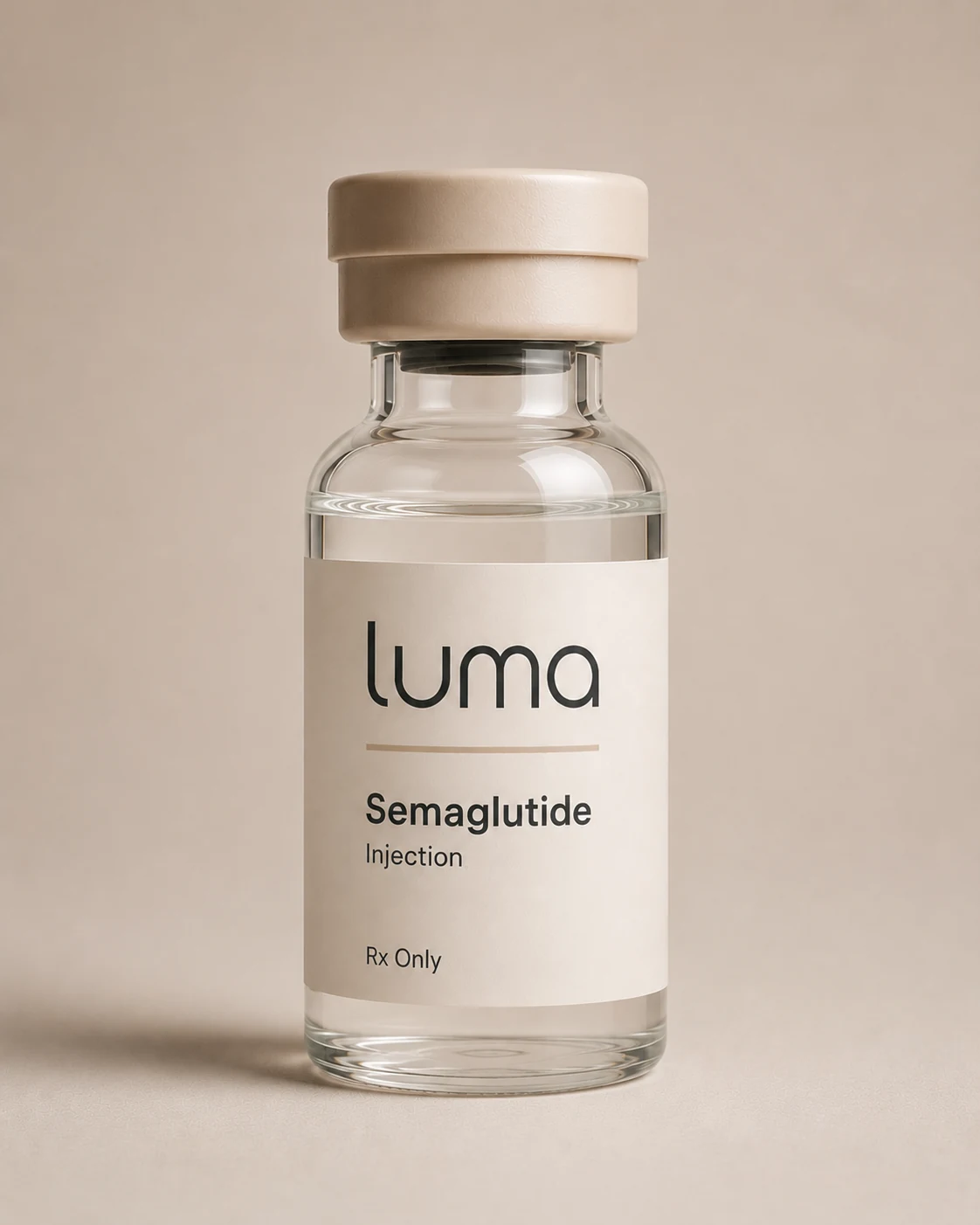
GLP-1–based medicines and Contrave are prescription options with different mechanisms, safety questions, and follow-up needs.
Wegovy is semaglutide, a GLP-1 receptor agonist. Zepbound activates GIP and GLP-1 receptors. Contrave combines naltrexone, an opioid antagonist, and bupropion, an aminoketone antidepressant. All are used with reduced calories and increased physical activity under their labels; none is automatically appropriate for every person.[1] [3] [4] [5]
The trial results below concern the studied injectable semaglutide and tirzepatide regimens, not every available formulation. This is not a head-to-head verdict. The reviewed sources do not include a randomized Wegovy- or Zepbound-versus-Contrave trial. Different populations, duration, lifestyle support, endpoints, and analyses mean separate results cannot predict an individual outcome or establish a universal “best” medication.
The options use different pathways
Wegovy is a GLP-1 receptor agonist; Zepbound is a GIP and GLP-1 receptor agonist. Their FDA labels describe weight reduction and maintenance with reduced calories and increased physical activity for adults with obesity or overweight plus a weight-related condition. Each also has product-specific indications outside this comparison.[3] [4]
Contrave is an extended-release naltrexone/bupropion combination for long-term weight reduction and maintenance with reduced calories and increased physical activity in its labeled adult population. Its label says its effect on cardiovascular morbidity and mortality has not been established.[1] [2]
| Question | Wegovy or Zepbound | Contrave |
|---|---|---|
| What is being compared? | FDA-approved branded semaglutide or tirzepatide products discussed here. | An FDA-approved branded extended-release naltrexone/bupropion combination tablet. |
| Core pharmacology | Incretin-pathway medicines: Wegovy is GLP-1; Zepbound is GIP and GLP-1. | Naltrexone is an opioid antagonist and bupropion is an aminoketone antidepressant. |
| Practical questions | Exact product, gastrointestinal tolerance, relevant history, medicines, monitoring, and continuity. | Opioid exposure, other bupropion, seizure and psychiatric history, blood pressure, interactions, and monitoring. |
| What evidence cannot show | That branded trial results apply to a compounded preparation. | That a separate-trial average determines one person’s outcome or outweighs a contraindication. |
A label framework is a starting point, not a prescription
NIDDK describes a common adult framework for prescription weight-management medication: a body mass index (BMI) of at least 30, or at least 27 with a weight-related health problem. It also emphasizes that these medicines are not for everyone. Likely benefits, possible side effects, current health conditions and medicines, family history, and cost are part of a clinician-led decision.[5]
Wegovy and Zepbound are contraindicated for people with a personal or family history of medullary thyroid carcinoma or multiple endocrine neoplasia syndrome type 2, and both are not recommended in severe gastroparesis. Contrave has a different contraindication set. A BMI threshold, preferred route, or study percentage does not determine suitability.[1] [3] [4]
What the studies show—within their own designs
Contrave’s label summarizes four 56-week, double-blind, placebo-controlled obesity trials with lifestyle modification. In peer-reviewed COR-I, 1,742 adults with obesity or overweight plus dyslipidemia or hypertension received naltrexone/bupropion combinations or placebo for 56 weeks with a mild hypocaloric diet and exercise. Mean change was −6.1% with the 32 mg/360 mg combination and −1.3% with placebo; 48% and 16%, respectively, achieved at least 5% weight loss in the primary analysis.[1] [6]
In COR-II, 1,496 participants received the 32 mg/360 mg combination or placebo for up to 56 weeks; reported week-56 mean changes were −6.4% and −1.2%. COR-BMOD paired both groups with a reduced-energy diet and 28 behavior-modification sessions and reported −9.3% with the combination plus behavior modification and −5.1% with placebo plus behavior modification in its modified intention-to-treat analysis. Those differing programs are a reason not to merge figures into one expectation.[7] [8]
For separate incretin trial context, STEP 1 randomized 1,961 adults without diabetes to weekly semaglutide 2.4 mg or placebo plus lifestyle intervention for 68 weeks. Mean weight change was −14.9% with semaglutide and −2.4% with placebo. SURMOUNT-1 randomized 2,539 adults without diabetes to one of three weekly tirzepatide doses or placebo for 72 weeks, including a 20-week escalation period. Mean changes ranged from −15.0% to −20.9% with the studied tirzepatide doses and were −3.1% with placebo.[9] [10]
Context is not a contest. COR, STEP, and SURMOUNT differed in participants, duration, products, lifestyle programs, endpoints, and analyses. A larger percentage from a separate trial does not demonstrate superiority for an individual.
Contrave’s opioid, bupropion, blood-pressure, seizure, and psychiatric issues are distinct
Contrave is contraindicated in uncontrolled hypertension; seizure disorders; anorexia nervosa or bulimia; abrupt discontinuation of alcohol, benzodiazepines, barbiturates, or antiepileptic drugs; other bupropion products; chronic opioid use; and during or within 14 days of a monoamine oxidase inhibitor.[1] [2]
Naltrexone blocks opioid receptors. Contrave should not be given with chronic opioids, and opioid-dependent patients must be opioid-free before starting to avoid precipitated withdrawal. The label warns that trying to override opioid blockade can lead to serious injury, coma, or death, and that opioid sensitivity can increase after treatment is stopped or interrupted. Opioid medicines and a history of dependence need clinician and pharmacist review—not self-directed medication changes.[1]
Bupropion can cause seizures; the label reports approximately 0.1% in Contrave trials versus 0% with placebo. Contrave can increase blood pressure and resting heart rate, requiring baseline and regular monitoring. It carries a boxed warning about suicidal thoughts and behaviors associated with antidepressants in children, adolescents, and young adults; Contrave is not approved for pediatric use. The label also describes serious neuropsychiatric events reported with bupropion during smoking cessation. These issues require a careful history and monitoring plan.[1] [2]
Wegovy and Zepbound have different safety questions. Both labels list gastrointestinal effects among common reactions and warn about pancreatitis, gallbladder disease, kidney injury due to volume depletion, severe gastrointestinal reactions, serious hypersensitivity, and aspiration reports around anesthesia or deep sedation. Both are not recommended in severe gastroparesis. Delayed gastric emptying can affect oral medicines; Zepbound has specific oral-hormonal-contraceptive counseling.[3] [4]
Pregnancy and reproductive planning need product-specific discussion
Weight loss is not recommended during pregnancy. Contrave, Wegovy, and Zepbound labels direct discontinuation when pregnancy is recognized for their weight-management uses. Wegovy’s label says to discontinue at least two months before a planned pregnancy because of semaglutide’s long half-life. Zepbound’s label says human pregnancy data are insufficient to evaluate drug-related risk and includes product-specific oral-hormonal-contraceptive counseling during initiation and dose escalation.[1] [3] [4] [5]
These are not interchangeable reproductive rules, and they are not a personal contraception or medication plan. A clinician should review pregnancy, breastfeeding, fertility, and contraception questions against the exact product label and the person’s circumstances.
Branded GLP-1 evidence is not compounded-product evidence
The Wegovy and Zepbound labels and STEP 1 and SURMOUNT-1 trials concern FDA-approved branded finished products. FDA says compounded GLP-1 drugs are not FDA approved and do not undergo FDA review for safety, effectiveness, or quality. They should be used only when a patient’s medical needs cannot be met by an FDA-approved drug.[11]
FDA also identifies dosing errors, multi-dose vials, shipping and storage concerns, and semaglutide salt forms that differ from the semaglutide base in approved products. Branded Wegovy or Zepbound evidence does not establish a compounded preparation’s quality, safety, bioequivalence, effectiveness, or outcomes.[11]
Compare the whole care plan, not one number
NIDDK says some, but not all, insurance plans cover weight-management medicines. Total cost can depend on product, insurance design, pharmacy, visits, monitoring, and follow-up. Ask what the recurring cost includes rather than relying on a headline figure.[5]
- Which exact FDA-labeled product is under discussion? Confirm the named product.
- Which history changes the decision? Review medicines and supplements, opioid exposure, other bupropion, blood-pressure and seizure risks, gastrointestinal history, and pregnancy plans.
- What is the continuity plan? Discuss monitoring, access, lifestyle support, refills, and what happens if treatment is not tolerated.
- What does the verified total cost include? Confirm coverage, pharmacy route, required visits, and monitoring.
NIDDK says duration depends on benefit and serious side effects, and that people will probably regain some weight after stopping. These questions support shared decision-making, not a personal treatment plan. Visit Luma Health’s treatment information page or read GLP-1 real-world effectiveness for related education.[5]
Compare the whole treatment context,
not a single trial percentage.
Product label, history, safety, reproductive plans, continuity, and verified cost matter in a clinician-led decision.
Explore Treatment Information →Frequently asked questions
No. Contrave combines naltrexone and bupropion. Wegovy is a GLP-1 receptor agonist, while Zepbound activates GIP and GLP-1 receptors. Their labels, contraindications, and safety questions differ.
No. The reviewed evidence does not include a direct randomized Wegovy- or Zepbound-versus-Contrave trial. Different study populations, durations, lifestyle programs, and analyses mean separate percentages cannot establish an individual ranking.
Contrave contains naltrexone, an opioid antagonist. Its label contraindicates chronic opioid use and warns about precipitated withdrawal and overdose-related risks. Opioid history and pain-treatment needs should be reviewed with a clinician and pharmacist.
No. FDA says compounded GLP-1 products are not FDA approved and do not undergo FDA review for safety, effectiveness, or quality. Branded-product trials do not establish a compounded preparation’s quality or outcomes.
References
- FDA. Contrave (naltrexone hydrochloride and bupropion hydrochloride) prescribing information. Revised November 2025.
- DailyMed. Contrave extended-release (naltrexone hydrochloride and bupropion hydrochloride) drug label. Updated November 10, 2025.
- FDA. Wegovy (semaglutide) prescribing information. Revised February 2026.
- FDA. Zepbound (tirzepatide) prescribing information. Revised February 2026.
- NIDDK. Prescription Medications to Treat Overweight & Obesity.
- Greenway FL, et al. Effect of naltrexone plus bupropion on weight loss in overweight and obese adults (COR-I).
- Apovian CM, et al. A randomized, phase 3 trial of naltrexone SR/bupropion SR on weight and obesity-related risk factors (COR-II).
- Wadden TA, et al. Weight loss with naltrexone SR/bupropion SR combination therapy as an adjunct to behavior modification (COR-BMOD).
- Wilding JPH, et al. Once-weekly semaglutide in adults with overweight or obesity (STEP 1).
- Jastreboff AM, et al. Tirzepatide once weekly for the treatment of obesity (SURMOUNT-1).
- FDA. FDA’s concerns with unapproved GLP-1 drugs used for weight loss. Content current September 1, 2026.