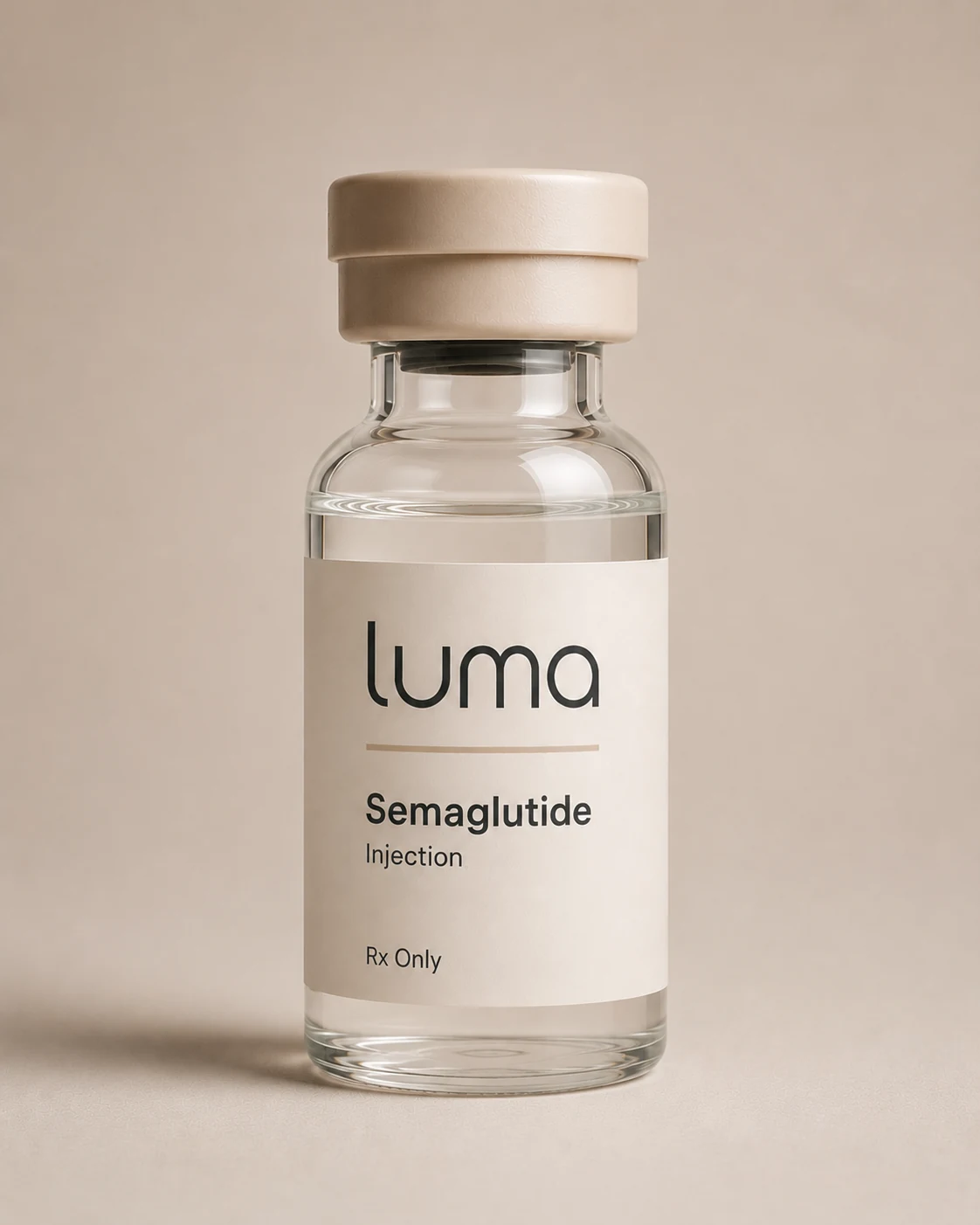
For type 2 diabetes, GLP-1 receptor agonists and sulfonylureas can both lower blood glucose, but they are not interchangeable. The right medicine depends on the exact product, glucose goals, other health conditions, low-blood-glucose risk, side effects, access, and the person’s preferences.
Current American Diabetes Association (ADA) guidance asks clinicians and patients to make that decision together rather than treating one class as universally “better.” In general, GLP-1 receptor agonists offer lower hypoglycemia risk and favorable weight effects compared with sulfonylureas, while gastrointestinal effects, product-specific warnings, route of use, and access may matter. A prescription should not be started, stopped, or changed from this comparison alone.[1]
Two pathways, not two versions of the same medicine
GLP-1 receptor agonists act through the incretin system. Semaglutide is one example: its Ozempic label describes glucose-dependent effects on insulin and glucagon secretion and delayed early post-meal gastric emptying. NIDDK says these medicines can limit post-meal glucose rises and may reduce hunger and help some people lose weight.[2] [4]
Sulfonylureas increase insulin secretion from pancreatic beta cells. Glimepiride is one example, labeled with diet and exercise to improve glycemic control in adults with type 2 diabetes. Exact product labels—not a class name—govern approved uses, warnings, and interactions.[3]
| Question | GLP-1 receptor agonist example | Sulfonylurea example |
|---|---|---|
| Reviewed example | Ozempic contains semaglutide, a GLP-1 receptor agonist. | Glimepiride is a sulfonylurea tablet. |
| Diabetes label context | Ozempic is indicated to improve glycemic control in adults with type 2 diabetes, with additional defined cardiovascular and kidney indications in specified adults. | Glimepiride is indicated to improve glycemic control in adults with type 2 diabetes. |
| Key comparison issue | Gastrointestinal effects and product-specific contraindications and warnings need review; hypoglycemia risk can rise with a sulfonylurea or insulin. | Hypoglycemia can be severe; risk deserves particular attention with age, renal impairment, inadequate food intake, exercise, alcohol, or other diabetes medicines. |
| Do not infer | That every GLP-1 medicine has semaglutide’s indications or outcomes. | That every sulfonylurea has the same label or suits every situation. |
The direct trial evidence is liraglutide versus glimepiride—not every GLP-1 product
The key long-term direct comparison is GRADE: Glycemia Reduction in Type 2 Diabetes—Glycemic Outcomes. This randomized, practical unmasked U.S. trial enrolled 5,047 adults with type 2 diabetes for fewer than 10 years who were taking metformin and had baseline A1C values of 6.8% to 8.5%. It assigned add-on glargine, glimepiride, liraglutide, or sitagliptin and followed participants for a mean 5.0 years. It was not a semaglutide or compounded-product trial.[5] [6]
The primary outcome was a quarterly measured A1C of at least 7.0% confirmed at the next visit. Its rate was 26.1 events per 100 participant-years with liraglutide and 30.4 with glimepiride; the hazard ratio for glimepiride compared with liraglutide was 1.15 (95% CI, 1.04 to 1.27), favoring liraglutide for time to this study outcome. All groups initially lowered A1C, but 71% of the cohort reached the outcome over mean five-year follow-up. This describes trial durability, not an individual prediction.[5]
Severe hypoglycemia was uncommon but affected 2.2% assigned to glimepiride and 1.0% assigned to liraglutide. Gastrointestinal symptoms were more common with liraglutide. Over four years, mean weight loss was 3.5 kg with liraglutide and 0.73 kg with glimepiride. These averages do not promise weight change or transfer to semaglutide.[5]
What the trial can and cannot answer. GRADE compares liraglutide and glimepiride added to metformin in people meeting its entry criteria. It does not compare every GLP-1 receptor agonist with every sulfonylurea or establish a personal dose-change plan.
Low blood glucose risk changes the conversation
Glimepiride labeling warns that all sulfonylureas can cause severe hypoglycemia. Risk may be greater with older age, renal impairment, other diabetes medicines, inadequate caloric intake, severe or prolonged exercise, and alcohol. A class comparison cannot replace a clinician’s medication review and monitoring plan.[3]
“Lower risk” does not mean “no risk” for a GLP-1 medicine. Ozempic and Victoza labels warn that use with an insulin secretagogue such as a sulfonylurea, or with insulin, may increase hypoglycemia risk. ADA calls for reassessing higher-risk medicines when a new glucose-lowering medicine begins; that is not a reader instruction to adjust a sulfonylurea.[1] [2] [7]
Labels reveal product-specific safety differences
The Ozempic label is for a specific semaglutide injection, not all GLP-1 medicines. It lists a personal or family history of medullary thyroid carcinoma, multiple endocrine neoplasia type 2 (MEN 2), and serious hypersensitivity as contraindication questions. Warnings include pancreatitis, retinopathy complications, volume-depletion-related kidney injury, severe gastrointestinal reactions, gallbladder disease, and peri-procedure aspiration; nausea, vomiting, diarrhea, abdominal pain, and constipation are common adverse reactions. It is not recommended for severe gastroparesis.[2]
Glimepiride labeling also addresses hypersensitivity and hemolytic anemia risk in glucose-6-phosphate dehydrogenase (G6PD) deficiency. Its cardiovascular-mortality warning is based on an older tolbutamide study, not proof that glimepiride caused cardiovascular mortality. The label also says no conclusive macrovascular-risk-reduction evidence has been established for glimepiride.[3]
Type 2 diabetes treatment is distinct from weight-management approval
A type 2 diabetes indication should not be blurred with a weight-management approval. The indication, patient population, dose form, and evidence belong to the exact product label. Ozempic’s diabetes label does not make every semaglutide product approved for weight management or appropriate for a particular person. GLP-1 medicines are not insulin substitutes.[2] [4]
Pregnancy planning and acute illness require separate care. Ozempic’s label advises discontinuation at least two months before planned pregnancy. Suspected diabetic ketoacidosis, severe symptoms, or severe insulin deficiency needs urgent evaluation; glimepiride is not indicated for diabetic ketoacidosis.[2] [3]
Effectiveness is only one part of access and feasibility
Route and cost may affect whether a plan is workable, but neither determines safety. ADA asks clinicians to consider access and affordability alongside effectiveness and adverse effects. Its cost table is a discussion tool, not an individual price: costs vary across time, pharmacies, insurance, and discounts.[1]
There is no class-wide scorecard. A GLP-1 receptor agonist may be relevant when a product with demonstrated cardiovascular or kidney benefit fits the type 2 diabetes context. A sulfonylurea may remain part of a plan when it fits the full clinical and access picture. Current medicines, hypoglycemia exposure, pregnancy plans, goals, and preferences still matter.[1]
FDA-approved evidence does not transfer to compounded GLP-1 preparations
The labels and GRADE trial concern specified FDA-approved products. FDA says compounded GLP-1 drugs are not FDA approved or reviewed for safety, effectiveness, or quality before marketing, and should be used only when medical needs cannot be met by an FDA-approved drug. A branded label or liraglutide trial does not establish a compounded preparation’s quality, bioequivalence, safety, effectiveness, or outcomes.[8]
For related education, see what semaglutide is, GLP-1 medications versus SGLT2 inhibitors, GLP-1 medications versus basal insulin, and Luma’s treatment information.
Compare the exact medicine and context,
not one class label.
Review glucose goals, current medicines, low-glucose history, side effects, product labeling, and access with a clinician before treatment changes.
Explore Treatment Information →Frequently asked questions
No. They use different mechanisms and have distinct product-specific labels, safety issues, and practical considerations. Both can lower glucose in type 2 diabetes, but the treatment choice should be individualized. Do not stop or change prescribed medicine based on this comparison.
GRADE compared add-on insulin glargine, glimepiride, liraglutide, and sitagliptin in participants taking metformin with relatively recent type 2 diabetes. It did not compare semaglutide with glimepiride, every member of either class, or compounded GLP-1 products.
These medicines may appear together in a clinician-managed regimen, but GLP-1 product labels warn that use with an insulin secretagogue such as a sulfonylurea can increase hypoglycemia risk. The care team should review the exact medicines and monitoring plan; this article does not give a dose-change plan.
No. GRADE used liraglutide in a controlled trial, and FDA states that compounded GLP-1 drugs are not FDA approved or reviewed for safety, effectiveness, or quality before marketing. Trial findings do not establish a compounded preparation’s outcomes or bioequivalence.
References
- American Diabetes Association Professional Practice Committee. Pharmacologic Approaches to Glycemic Treatment: Standards of Care in Diabetes—2026.
- FDA. Ozempic (semaglutide) injection prescribing information. Reference ID 5808230, revised May 2026.
- DailyMed. GLIMEPIRIDE tablet prescribing information.
- National Institute of Diabetes and Digestive and Kidney Diseases. Insulin, Medicines, & Other Diabetes Treatments.
- GRADE Study Research Group. Glycemia Reduction in Type 2 Diabetes—Glycemic Outcomes. New England Journal of Medicine. 2022;387:1063–1074. DOI: 10.1056/NEJMoa2200433.
- National Institute of Diabetes and Digestive and Kidney Diseases. A Comparative Effectiveness Study (GRADE).
- DailyMed. VICTOZA (liraglutide) injection prescribing information.
- FDA. FDA’s Concerns with Unapproved GLP-1 Drugs Used for Weight Loss. Content current September 1, 2026.